RudhLab

Simulating flow, heat, and forces, from stepwells to braces.

RudhLab is a computational research group at Pandit Deendayal Energy University (PDEU), Gandhinagar, led by Anirudh Kulkarni. We write our own simulation software and run it on graphics processors (GPUs) to study how air, water, and heat move, and how teeth respond to orthodontic forces. The problems differ; the toolkit is the same.

Upcoming JRF and PhD positions→

Research

Three threads share one toolkit: physics-based models solved with software we write and run on GPUs.

Fluid dynamics and heat transfer

How air and water flow around objects and carry heat: wakes behind cylinders and spheres, flow through porous materials, vibrating structures, and droplets. Studied with finite-volume, lattice-Boltzmann, and immersed-boundary solvers.

Simulations →
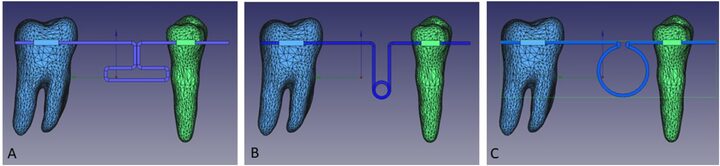
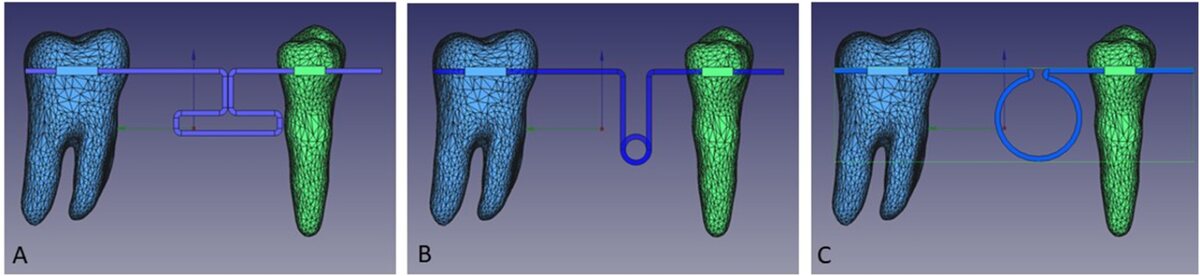
Finite-element models of a mandibular molar with T, Cherry and open helical protraction loops.

Dental mechanics

How teeth and orthodontic appliances respond to the forces of treatment, using finite-element models, including models built from patient CBCT scans: molar protraction loops and implant-supported systems.

Publications →

GPU solvers and research code

Simulation software we write ourselves in CUDA C++ and Julia and run on graphics processors: interface capturing, pressure solvers, and fluid–structure interaction. Public code is on GitHub.

Code →

Funded projects

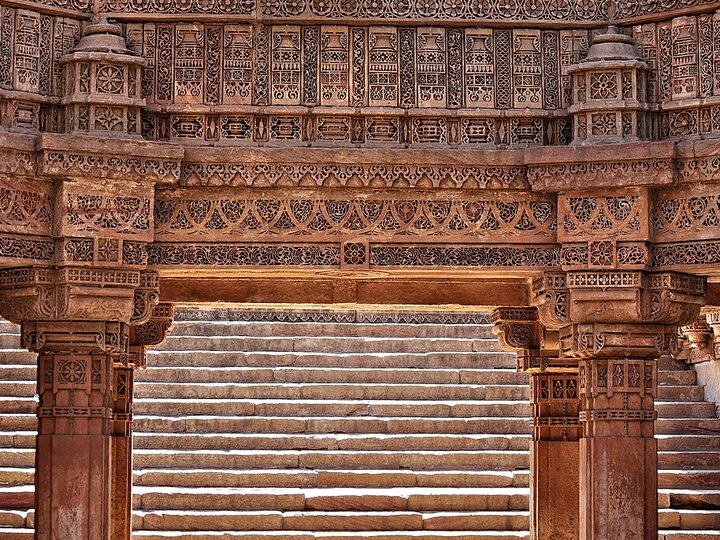
Adalaj stepwell near Gandhinagar, Gujarat: stepped galleries descending to the water.
Adalaj stepwell, Gujarat · Tejal Acharya, CC BY-SA 3.0

Stepwells and passive cooling

PI · 2026–2029

Thermofluid analysis of Gujarat stepwells using photogrammetry and LBM–IBM computational fluid dynamics to investigate sustainable passive cooling.

Details
Full title
Thermofluid Analysis of Selected Stepwells from the Region of Gujarat (Vapi): Validating Aparajitaprccha Typologies using Photogrammetry and LBM–IBM CFD for Sustainable Passive Cooling
Funding
Indian Knowledge Systems Division, Ministry of Education, Government of India
Principal Investigator
Dr. Anirudh Kulkarni
Co-Principal Investigator
Dr. Kishan Fuse
Research fellow
Tannu Parmar, JRF
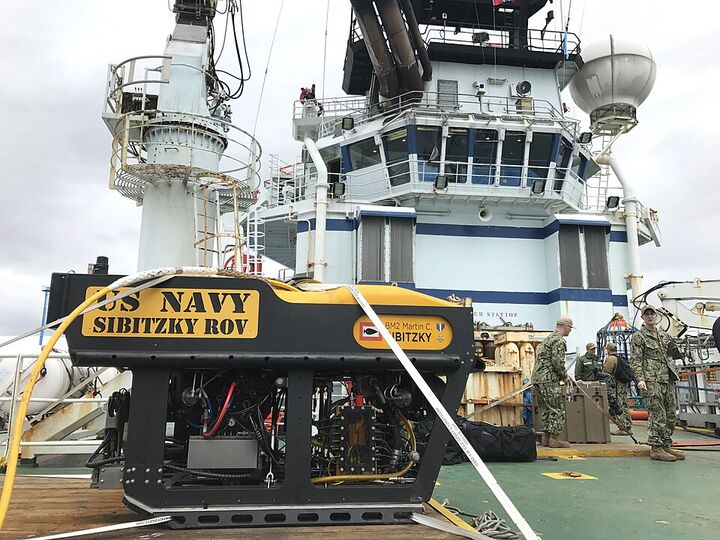
A remotely operated underwater vehicle on the deck of a support ship.
U.S. Navy ROV · public domain

Rheology for underwater exploration

Co-PI · 2026–2029

Lattice-Boltzmann simulation combined with machine learning for rheological characterisation in underwater exploration.

Details
Full title
LBM–ML Rheological Characterisation for Underwater Exploration
Funding
IIT Guwahati Technology Innovation Hub
Principal Investigator
Dr. Vivek Jaiswal
Co-Principal Investigator
Dr. Anirudh Kulkarni
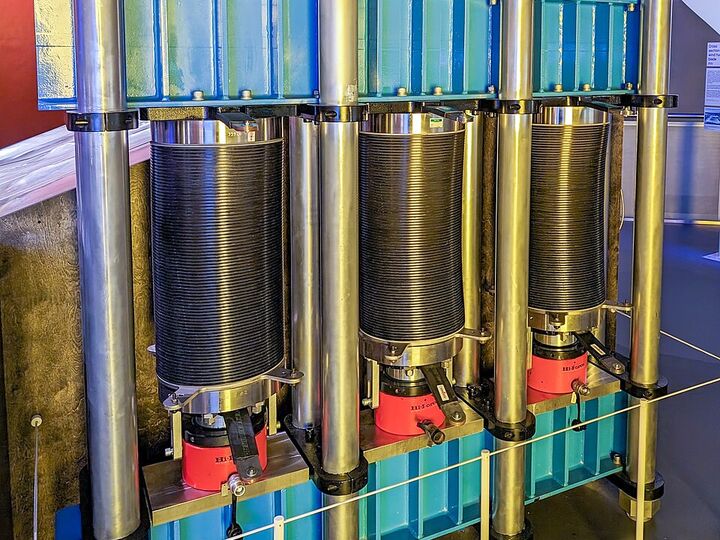
A stacked hydrogen electrolyser on display.
Hydrogen electrolyser, Science Museum London · The wub, CC BY-SA 4.0

Regenerative electrolysers for street lighting

Co-PI · 2026–2029

Design and development of a low-cost portable regenerative electrolyser for a sustainable street-lighting system.

Details
Funding
Gujarat Energy Development Agency
Principal Investigator
Dr. Rohit Srivastava
Co-Principal Investigator
Dr. Anirudh Kulkarni

Simulations

Recordings from our own solvers. Select one for method notes.

Code

Work with us

For academic and industry partners.

Simulation studies

Flow and heat-transfer analysis of devices, thermal systems, and buildings, and finite-element analysis of dental and biomechanical problems.

Solver development

Custom GPU solvers (lattice-Boltzmann, immersed-boundary, finite-volume) in CUDA C++ and Julia, and help moving existing codes onto GPUs.

Joint research and funding

Co-proposals for sponsored research. Current projects are funded by the Ministry of Education (IKS Division), the IIT Guwahati Technology Innovation Hub, and the Gujarat Energy Development Agency.

Training

Workshops and short courses on CFD, OpenFOAM, numerical methods, and machine learning in CFD. See past talks.

Discuss a problem →A short description of the problem and your timeline is enough to start.

People

Portrait of Anirudh Kulkarni

Anirudh Kulkarni, PhD

Principal Investigator

Assistant Professor of Mechanical Engineering at PDEU. Computational fluid dynamics, heat transfer, dental simulation, and GPU computing.

Profile →

Tannu Parmar

Junior Research Fellow

Thermofluid analysis of Gujarat stepwells and sustainable passive cooling, on the Indian Knowledge Systems project.

LinkedIn ↗

Bhau Kolhe

Part-time PhD researcher

Vertical-axis wind turbine analysis and performance improvement.

Google Scholar ↗

Selected publications

All 21 publications →
Finite-element models of the molar with the T loop, Cherry loop and open helical loop.

Finite element study of the efficacy of three different loops for bodily protraction of the mandibular molar

Aditi Mehta, Alap Shah, Anisha Prasad, Bharvi Jani, Kinnari Shah, Anirudh Kulkarni, Nattapon Chantarapanich, Samroeng Inglam, Mohammad Fareed, Anand Marya

Scientific Reports 15 (1), 13938 · 2025

A finite-element model built from a patient CBCT scan compares T, Cherry and open helical loops at 10°, 15° and 20° tip-back for protracting the mandibular second molar. All three loops performed alike; a 15° tip-back moved the molar with negligible tipping and no extrusion or intrusion.

News

Talks and workshops.

Talks and news →

Contact

Collaboration, student enquiries, or questions about the code.

Also anirudhk@outlook.in